

Central Vacuum Systems: The Pros and Cons Every Homeowner Should Know
Apr 9th 2025
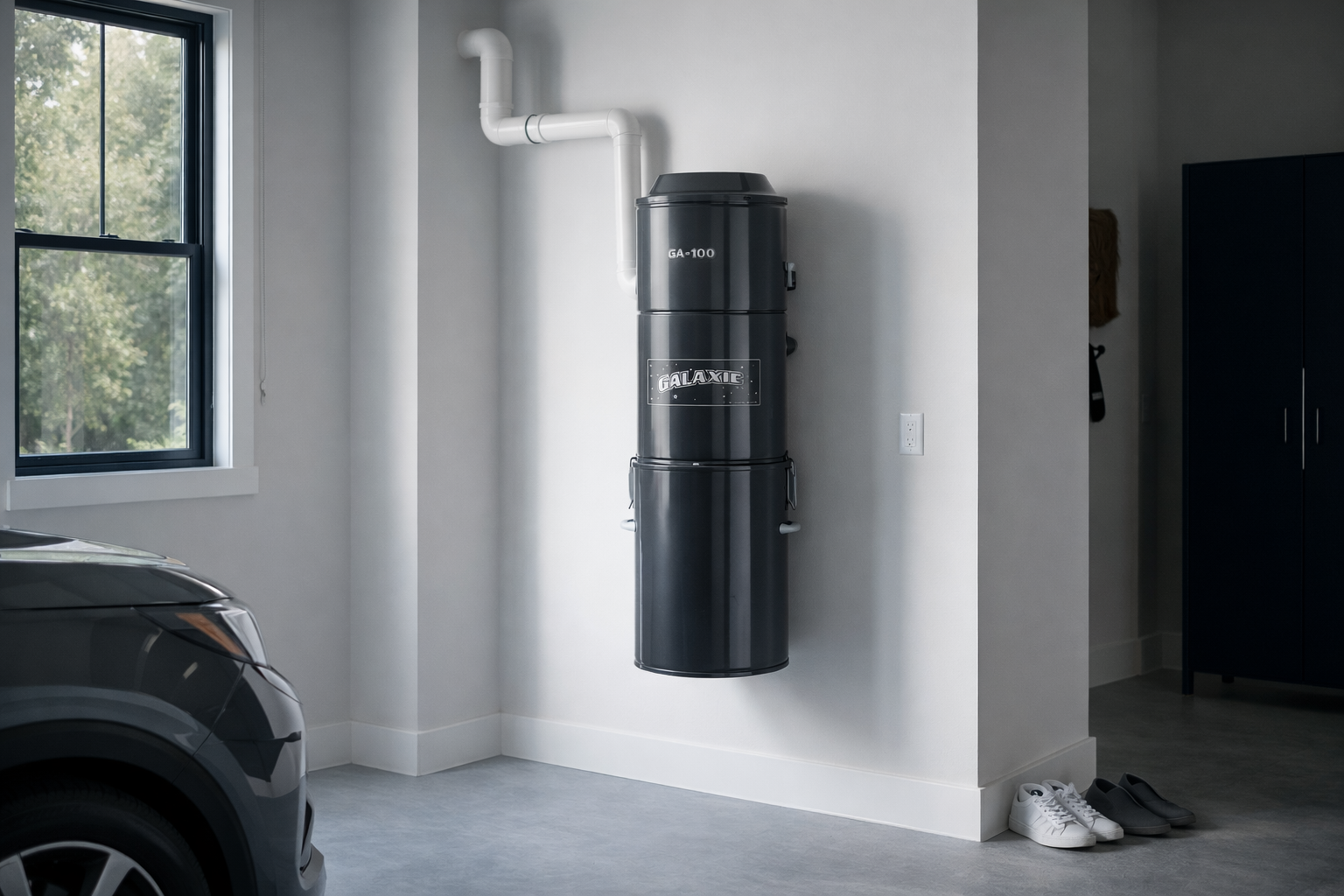
Central Vacuum Systems: The Pros and Cons Every Homeowner Should Know
If you’re considering installing a central vacuum system, you’re probably wondering: is it worth it, how does it compare to a regular vacuum, and what are the real downsides? This guide breaks down the true pros and cons, who these systems are best for, and how to think about cost and installation.
Quick Summary: Are Central Vacuum Systems Worth It?
Central vacuum systems are worth it if you want stronger suction, care about indoor air quality, plan to stay in your home long-term, and prefer quieter cleaning.
They may not be ideal if you need the lowest upfront cost, live in a short-term rental, or can’t access spaces for running pipe (attic/basement/walls).
Considering options now? Start with our collection of central vacuum systems and compare power levels by home size.
What Is a Central Vacuum System?
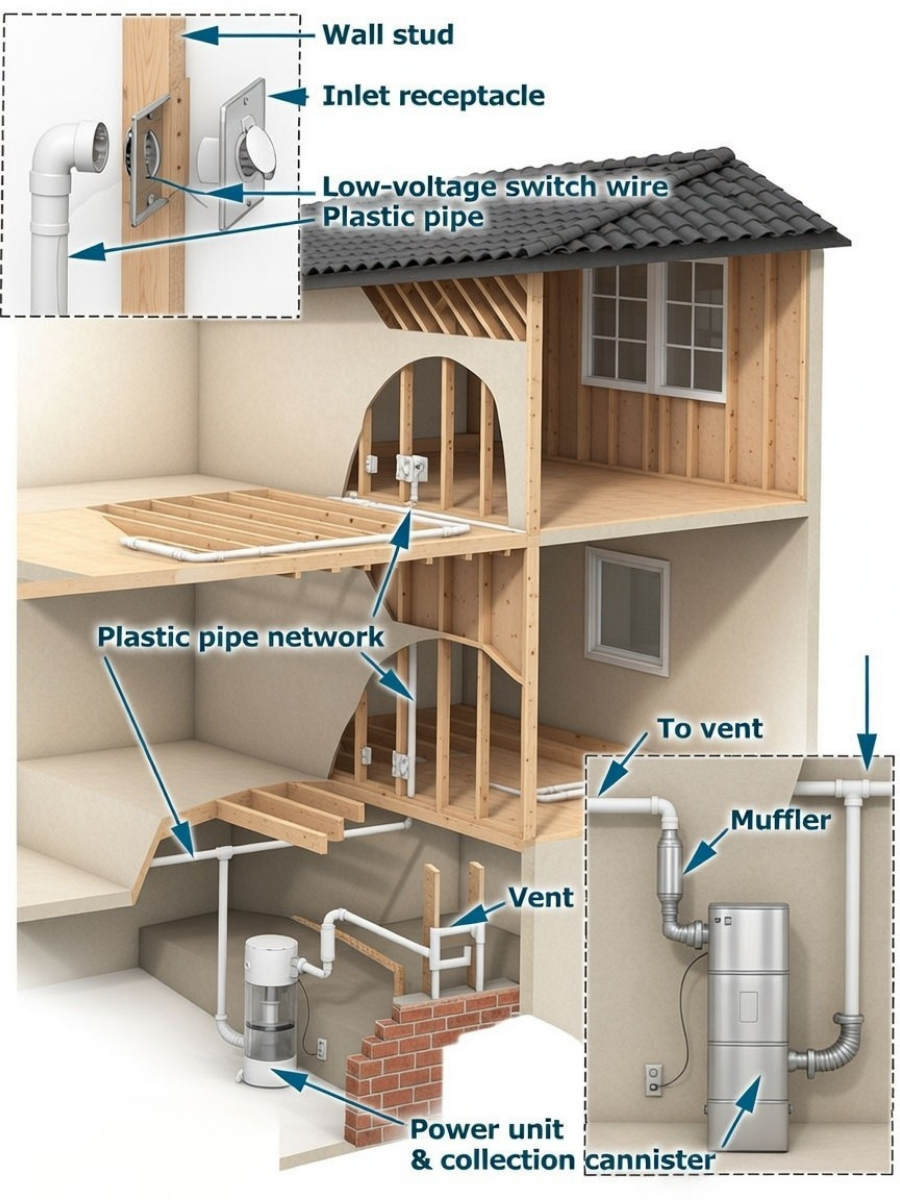
A central vacuum system is a built-in cleaning system installed inside your home’s walls. Instead of carrying a heavy vacuum around, you plug a lightweight hose into wall inlets placed throughout the house. Dust and debris travel through hidden tubing to a power unit—typically located in a garage or basement.
- Stronger suction compared to most portable vacuums
- Quieter cleaning inside the home
- Improved air quality by removing debris from living spaces
- Long-lasting performance with replaceable parts
The Pros of Central Vacuum Systems
1) Superior Suction Power
Central vacuum systems typically deliver stronger suction than portable vacuums. This is especially helpful for pet hair, deep carpet cleaning, and larger homes with more square footage.
If you want maximum performance, start by browsing high-performance central vacuum systems.
2) Improved Indoor Air Quality
Many central vacuum setups reduce the amount of fine dust that lingers in living spaces because debris is transported away from the point of cleaning and collected at the power unit. For allergy-sensitive households, this can be a meaningful upgrade.
3) Quieter Cleaning
Because the motor is installed in a garage or basement, noise inside your main living areas is noticeably lower. This makes it easier to clean without disturbing family members.
4) Long Lifespan and Serviceability
A quality system can last for many years. When service is needed, you often replace a component (filters, parts, motor) rather than replacing the entire system.
Need parts for an existing system? Visit our central vacuum parts section.
5) A True Home Upgrade
Built-in systems are considered a permanent home upgrade. For homeowners focused on long-term comfort and value, central vacuum systems can be a strong quality-of-life improvement.
The Cons of Central Vacuum Systems
1) Higher Upfront Cost
The main downside is cost. You’re investing in a power unit, piping, inlets, and installation (DIY or professional). The upside is a longer lifespan and better performance over time.
2) Installation Complexity
Retrofitting an existing home can require access to attic/basement spaces or routing pipe through walls. Many homes can be retrofitted successfully, but it’s more involved than buying a portable vacuum.
If you’re considering DIY, start with central vacuum installation kits and planning components.
3) Hose Storage (for Traditional Systems)
Some homeowners don’t love storing a long hose. Retractable hose options can solve this by storing the hose inside the wall.
Explore retractable options here: retractable hose systems.
Central Vacuum vs Portable Vacuum: Which Is Better?
| Feature | Central Vacuum | Portable Vacuum |
|---|---|---|
| Suction Power | Stronger | Moderate |
| Noise Inside Home | Quieter | Louder |
| Air Quality | Typically better | Varies |
| Upfront Cost | Higher | Lower |
| Lifespan | Long-term | Shorter |
How Much Does It Cost to Install a Central Vacuum System?
Installation Cost Overview
Most professional central vacuum installations typically range between $1,200 and $3,000, depending on home size, the number of inlets, and installation method. Retractable hose systems and higher-powered units can increase total cost.
- Smaller homes (under 1,500 sq ft): $1,200 – $2,000
- Mid-sized homes (1,500–2,500 sq ft): $1,500 – $2,400
- Larger homes or complex installs: $2,400 – $3,000+
Common Installation Types
- Standard inlet system: Traditional wall inlets with plug-in hose (often the most affordable)
- Retractable hose system: Hose stores inside the wall for cleaner hose management
- Hybrid system: Combination of standard + retractable zones
What Affects Central Vacuum Installation Cost?
- Home size: More square footage typically means more piping and inlets.
- Number of inlets: Each additional inlet adds materials and labor.
- System type: Higher-powered central vacuum systems and retractable hoses generally cost more.
- Install method: New construction is usually simpler than retrofit installs.
- Accessories: Hose length, power nozzles, and attachments can affect total cost.
DIY vs Professional Installation
DIY can reduce labor costs, especially during a remodel. Professional installation can help ensure optimal pipe routing and long-term performance—particularly for multi-floor homes or complex layouts.
Recommended Central Vacuum Systems
If you’re considering upgrading or installing a new central vacuum system, Galaxie power units are designed for long-term performance, strong suction, and broad compatibility with standard in-home piping. Below are the most common Galaxie system types homeowners choose.
Best Overall Performance: Galaxie High-Power Systems
- Powerful motors for deep carpet cleaning
- Strong suction for pet hair and high-traffic areas
- Designed for whole-house coverage
- Long-lasting motor construction
- Compatible with standard 2" central vacuum piping
Browse Galaxie High-Performance Systems
Best for Replacing an Older Central Vacuum
If your current system is aging but your piping is intact, upgrading to a Galaxie replacement unit is often the simplest and most cost-effective solution. Galaxie units are compatible with many common setups.
- Nutone replacement parts and compatible upgrades
- Beam replacement parts and compatible upgrades
- Electrolux replacement parts and compatible upgrades
Shop Galaxie Replacement Power Units
Best for New Construction or Renovation
- Multiple power levels available
- Designed for new installation or retrofit planning
- Compatible with traditional hose systems
- Works with retractable hose setups
Explore Complete Galaxie System Options
Best for Convenience: Galaxie + Retractable Hose Systems
- Cleaner hose management (stores inside the wall)
- Reduced clutter and faster setup
- Modern look and feel
- Strong airflow performance with compatible power units
View Galaxie-Compatible Retractable Hose Systems
Not Sure Which Galaxie System Is Right?
The right system depends on home square footage, the number of inlets, pipe run length, flooring type, and pet ownership. Start by browsing Galaxie systems and comparing recommended coverage.
Compare Galaxie Central Vacuum Systems | Find Compatible Parts
Frequently Asked Questions
Do central vacuum systems improve air quality?
Many homeowners choose central vacuum systems because debris is collected away from the point of cleaning, which can reduce the amount of fine dust lingering in living spaces.
Are central vacuum systems hard to maintain?
Maintenance is typically straightforward: emptying the canister, checking filters (if applicable), and replacing service parts as needed. You can browse common service items in central vacuum parts.
Can you install a central vacuum in an existing home?
Yes. Many homes can be retrofitted using attic/basement access for pipe routing. If you’re considering DIY planning, start with installation kits.
How long do central vacuum systems last?
System lifespan varies by usage and maintenance, but central vacuum systems are generally a long-term home upgrade with serviceable components.
Final Verdict
If you want stronger suction, quieter cleaning, and a long-term home upgrade, a central vacuum system is worth considering. For many homeowners, the performance and durability justify the upfront investment.
Shop Central Vacuum Systems | Shop Galaxie Power Units | Shop Replacement Parts